
Plants Selected for Local Conditions
Residential Landscaping & Softscaping in La Mesa for properties needing drought-tolerant plantings that maintain appearance year-round
Southern California landscapes face extended dry periods and limited water availability, which means plant selection determines whether outdoor spaces remain attractive or require constant intervention. Trueskil designs softscape plans using drought-tolerant trees, shrubs, ground cover, and decorative plantings suited to La Mesa climate conditions. These installations complement hardscape elements like patios and retaining walls, creating balanced outdoor environments that don't rely on intensive irrigation.
Softscaping involves soil preparation, plant placement based on sun exposure and water zones, and mulch application that retains soil moisture and suppresses weed growth. Drought-tolerant species such as native sages, ornamental grasses, and low-water succulents are selected for their ability to survive on minimal supplemental irrigation once root systems establish. Plant arrangements consider mature size, seasonal color variation, and how foliage textures interact with adjacent hardscape materials.
Schedule a landscape consultation to review planting options and irrigation strategies for your property.
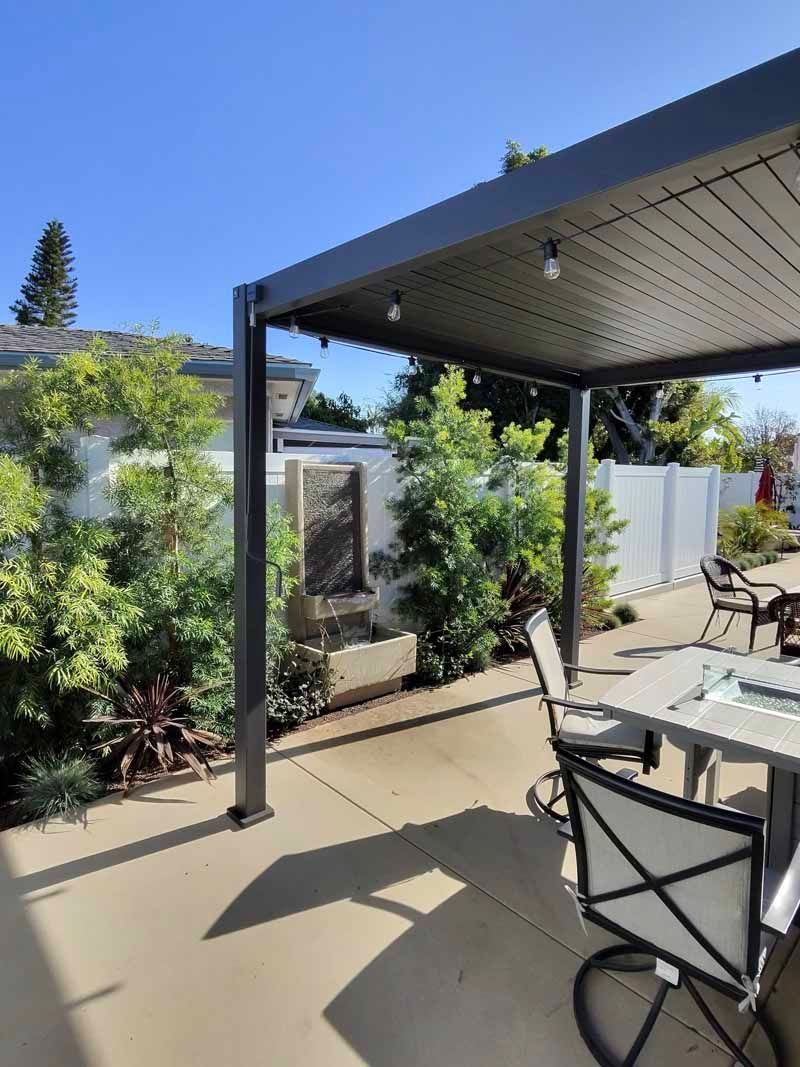
What Proper Softscape Planning Requires
Successful softscape installation begins with soil evaluation to determine drainage capacity, nutrient content, and whether amendments are needed before planting. In many La Mesa properties, native clay soils retain water poorly and require organic compost or soil conditioners to support root development. Planting beds are arranged in hydrozones, grouping plants with similar water needs to avoid overwatering drought-tolerant species or underwatering plants that need consistent moisture. Drip irrigation systems deliver water directly to root zones, reducing evaporation loss compared to overhead spray systems.
Once plantings mature, you'll notice reduced water bills and less frequent maintenance compared to traditional high-water landscapes, along with improved curb appeal from greenery that remains visually consistent throughout the year. Ground cover spreads to fill bare soil areas, reducing erosion and eliminating mud zones near hardscape edges. Trees and shrubs provide shade, privacy screening, and visual softening of fences or walls, while ornamental grasses and flowering perennials add seasonal color variation without requiring replanting.
Softscape designs integrate with existing hardscape by using plantings to define borders, soften transition zones between paved areas and open yard space, and frame architectural features like fire pits or outdoor kitchens. Mulch layers around plantings reduce water evaporation and moderate soil temperature, extending the time plants can go between irrigation cycles. Proper plant spacing accounts for mature width, preventing overcrowding that leads to competition for water and sunlight.
Answers to Frequent Softscape Questions
Selecting and maintaining low-water plantings involves understanding climate-specific performance and what makes landscapes sustainable long-term.
What defines a drought-tolerant plant versus a water-intensive species?
Drought-tolerant plants have adapted root systems, foliage coatings, or water storage structures that allow them to survive extended periods without supplemental irrigation once established. Water-intensive species typically require consistent soil moisture and decline quickly under dry conditions, making them unsuitable for low-maintenance Southern California landscapes.
How does softscaping improve property appearance without constant upkeep?
Thoughtful plant selection using species suited to local climate means vegetation thrives without frequent fertilization, pruning, or pest treatment, while drought-tolerant varieties maintain foliage color and structure throughout dry seasons. Mulch and ground cover reduce weed growth, which eliminates a primary maintenance task in traditional gardens.
What soil amendments help plants establish in La Mesa conditions?
Organic compost increases soil water retention and nutrient availability in sandy or compacted clay soils, while gypsum helps break up clay aggregates to improve drainage. Mycorrhizal inoculants introduced during planting enhance root development and nutrient uptake, accelerating establishment periods.
How does irrigation design affect plant health and water efficiency?
Drip systems deliver water at low pressure directly to root zones, reducing waste from overspray and evaporation, while zoned controllers allow different planting areas to receive irrigation schedules matched to their water needs. Proper emitter placement ensures even moisture distribution without creating dry pockets or waterlogged zones.
What role does softscaping play in balancing hardscape investments?
Plantings soften visual transitions between paved surfaces and open yard areas, provide vertical interest that contrasts with horizontal hardscape planes, and offer seasonal variation that keeps outdoor spaces visually dynamic. Trees and shrubs also provide shade that reduces heat reflection from patios and walls during summer months.
Trueskil coordinates softscape design with hardscape construction to create functional, attractive outdoor environments across La Mesa properties. Request a planting consultation to discuss species selection and irrigation planning for your landscape.